
Why Is the Minnesota Summer Humidity Making My Dry Eye Symptoms Worse in Ramsey?
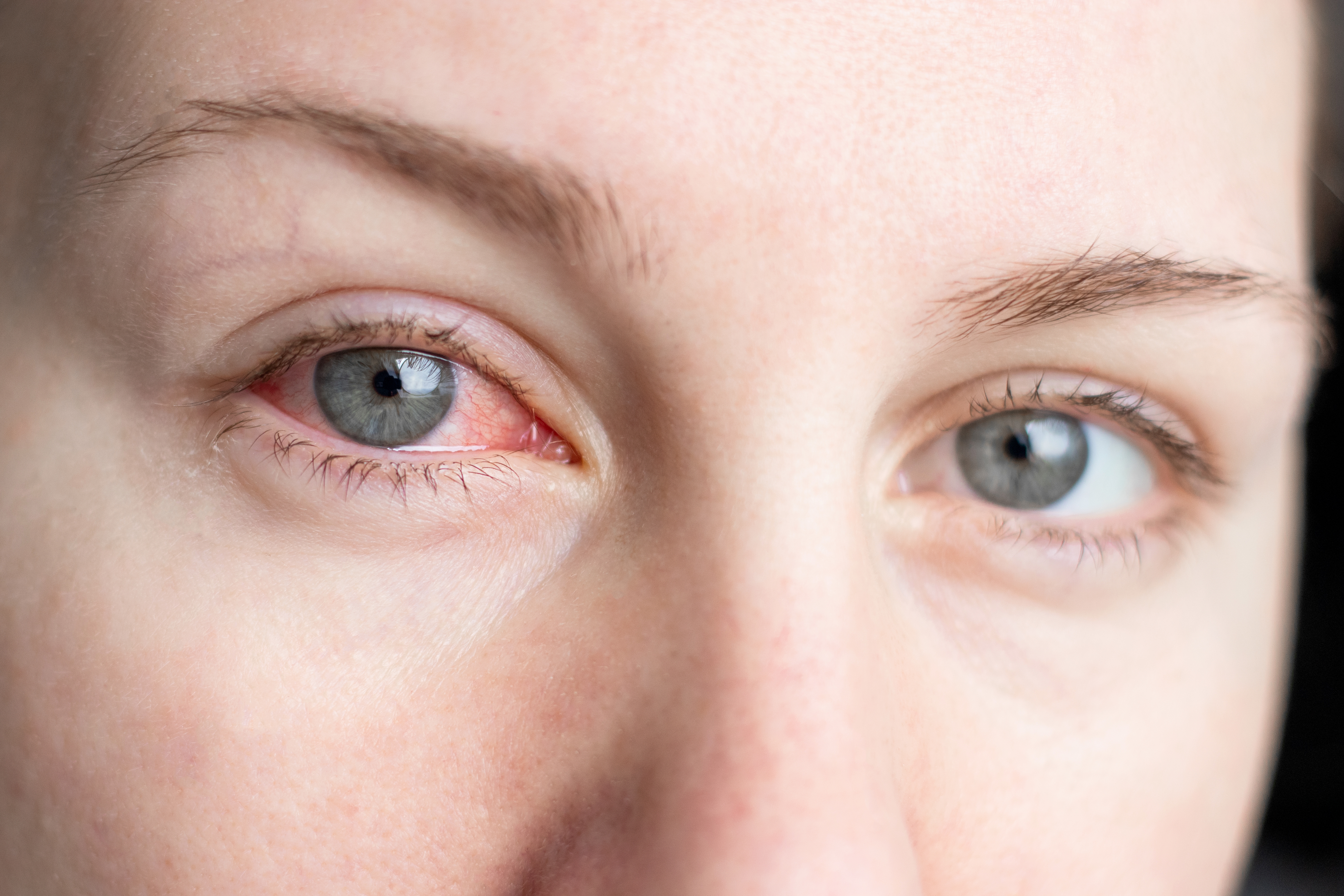
Minnesota summers can feel hot, muggy, and uncomfortable, yet many people in Ramsey are surprised when their dry eye symptoms worsen during humid weather. Humidity usually slows tear evaporation outdoors, but it does not always protect the eyes. Seasonal allergens, air conditioning, heat, and changes in the tear film can still cause burning, redness, watering, or blurry vision.
Humidity May Not Be the Only Cause
When dry eye symptoms flare during a humid Minnesota summer, the moisture in the outdoor air is often only one part of the problem. Moving between muggy outdoor conditions and cool, air-conditioned buildings exposes the eyes to sudden environmental changes. Air conditioning lowers indoor humidity and creates airflow that can cause tears to evaporate more quickly.
Fans, vehicle vents, and long hours in climate-controlled spaces can have a similar effect. Even when the air outside feels damp, your eyes may spend much of the day in a dry indoor environment.
Summer Allergies Can Irritate the Ocular Surface
Pollen, grass, mold, and other seasonal allergens can make the eyes itchy, red, watery, and inflamed. These symptoms can overlap with dry eye, making it difficult to know whether you are dealing with allergies, dry eye disease, or both.
Some oral allergy medications can also reduce tear production. Rubbing itchy eyes may further irritate the ocular surface and worsen discomfort. An eye exam can help determine what is contributing to your symptoms and whether your current eye drops are appropriate.
Heat Can Affect Your Tear Film
Healthy tears contain water, oil, and mucus. The oily layer helps keep tears from evaporating too quickly. When the oil-producing meibomian glands along the eyelids become blocked or inflamed, tears may break apart too soon, even in humid conditions.
Summer heat can also lead to more sweating, dehydration, sunscreen exposure, and time spent in chlorinated pools. Each of these factors may contribute to eye irritation or an unstable tear film.
Common summer dry eye symptoms include:
- Burning, stinging, or a gritty sensation
- Red or watery eyes
- Fluctuating or blurry vision
- Sensitivity to light
- Contact lens discomfort
- Eye fatigue after screen use
Simple Ways to Reduce Summer Dry Eye Symptoms
Try directing fans and air vents away from your face. Wear wraparound sunglasses outdoors to reduce exposure to wind, pollen, and airborne debris. Take regular breaks from digital screens, blink fully, stay hydrated, and avoid rubbing your eyes.
Artificial tears may provide temporary relief, but not every drop is right for every type of dry eye. Frequent symptoms can indicate inflammation, poor tear quality, meibomian gland dysfunction, or another underlying issue that requires more targeted care.
When to Schedule a Dry Eye Evaluation
If symptoms keep returning, interfere with reading or driving, or make contact lenses difficult to wear, a dry eye evaluation can identify the cause. Treatment may include personalized home care, prescription medication, specialty contact lenses, punctal plugs, LipiFlow thermal pulsation, or intense pulsed light therapy based on your needs.
Schedule a dry eye evaluation with Borealis Eyecare in Ramsey, Minnesota, by calling (763) 250-9742 and take the next step toward clearer, more comfortable vision.
Quick Links
Helpful Articles
article_category: products
article_category: psychiatry
article_category: faqs
article_category: cats
article_category: general
article_category: services
article_category: technology
article_category: dogs
article_category: restorative
article_category: vision therapy
article_category: contact lenses
article_category: health
article_category: conditions
article_category: eye surgery co-management
article_category: exotic
article_category: cosmetic
article_category: surgical procedures
article_category: aesthetics
article_category: preventative
article_category: ocular disease management
article_category: eyeglasses
article_category: eye health
article_category: large animal
[]
article_category: psychiatry
article_category: faqs
article_category: cats
article_category: general
article_category: services
article_category: technology
article_category: dogs
article_category: restorative
article_category: vision therapy
article_category: contact lenses
article_category: health
article_category: conditions
article_category: eye surgery co-management
article_category: exotic
article_category: cosmetic
article_category: surgical procedures
article_category: aesthetics
article_category: preventative
article_category: ocular disease management
article_category: eyeglasses
article_category: eye health
article_category: large animal
[]
Flowbite is an open-source library of interactive components built on top of Tailwind CSS including buttons, dropdowns, modals, navbars, and more.
Check out this guide to learn how to get started and start developing websites even faster with components on top of Tailwind CSS.
All Eye Care Services
Find personalized eye care excellence with our comprehensive services. From eye exams to advanced diagnostics, trust us for all your vision needs.
Keep In Touch
For non-urgent questions or to learn more about our services, contact us today!
© 2026 Borealis Eyecare. All rights Reserved - Accessibility Statement - Privacy Policy - Sitemap
Managed and Designed by 